
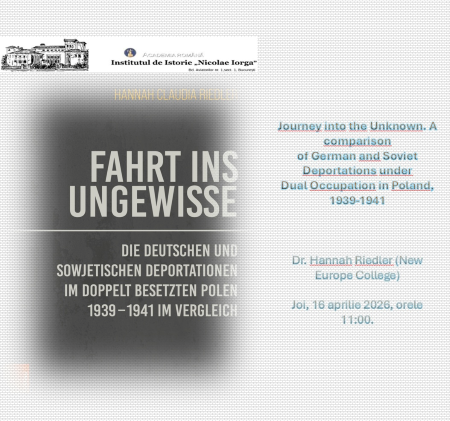
Following the invasion of Poland, both Nazi Germany and the Stalinist Soviet Union implemented extensive measures to 'reorganize' the occupied territories. In total, the two occupying powers deported over 700,000 people to either the General Government or the Soviet hinterland. Just as the methods of implementation differed significantly, the deportations also served distinct functions within the two systems. On the Soviet side, the focus was primarily on assimilation, whereas the German side was concerned with replacement. By clearly distinguishing between the objectives and the actual execution of these deportations, much can be learned about the two systems and their similarities, or differences. The presentation examines the various actors, structures, and objectives involved. It tries to answer the question, which aspects of the deportations were dictated by economic, political, or other necessities, and how these deportations should be situated within the broader context of forced migration and empire-building of the two regimes.
Prelegerea se bazează pe volumul Fahrt ins Ungewisse. Die deutschen und sowjetischen Deportationen im doppelt besetzten Polen 1939-1941 im Vergleich (Vandenhoeck & Ruprecht Verlage, 2025 – Open Access)